
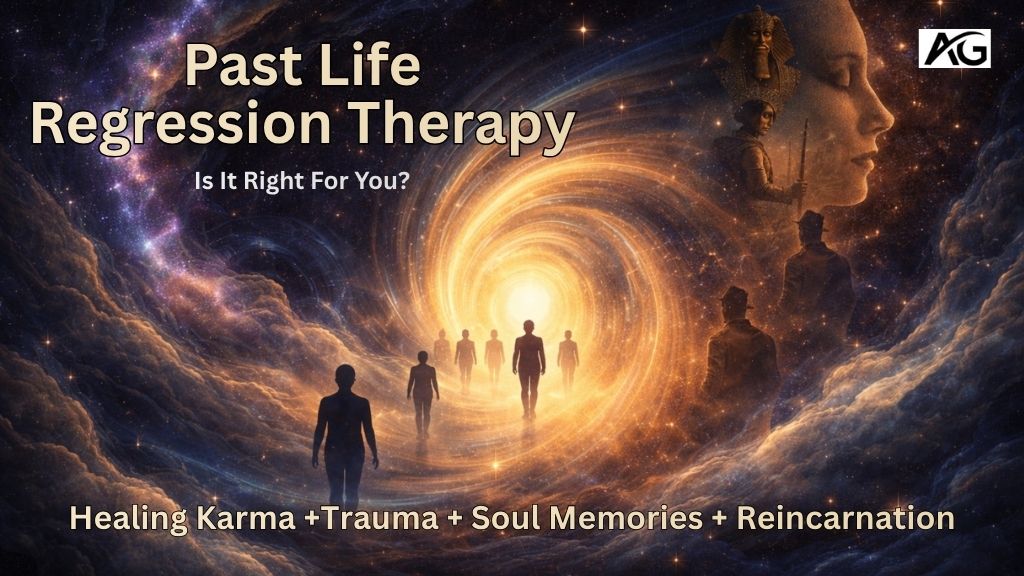
The search for healing and self-understanding often leads people down unconventional paths. Among the most intriguing and controversial is the practice of exploring past lives to address present-day challenges. Past Life Regression Therapy offers a unique approach to personal transformation, but it is not for everyone. Understanding what this practice involves, who it may benefit, and what considerations to weigh can help you determine whether this path aligns with your needs and circumstances.
What Is Past Life Regression Therapy?
Past Life Regression is a hypnotherapeutic technique that guides individuals into a deeply relaxed state to access memories, emotions, and experiences believed to originate from previous incarnations. The foundational premise suggests that unresolved traumas, unhealed wounds, or incomplete experiences from past lives can carry forward into the present, manifesting as unexplained fears, recurring patterns in relationships, chronic physical tensions, or persistent emotional struggles.
During a session, the practitioner uses gentle verbal cues to help you journey backward through time—from recent memories to childhood, birth, and beyond into what is described as past life experiences. The process is not about proving reincarnation but about facilitating emotional release, insight, and healing. Many individuals report profound shifts in perspective and symptom relief following sessions, regardless of whether they interpret the experiences as literal memories or symbolic representations of inner psychological material.
Who Typically Seeks This Approach?
Individuals who pursue this path often share certain characteristics. Many have tried conventional therapeutic approaches with limited success and are seeking alternative avenues for healing. Others possess a spiritual orientation that embraces concepts of reincarnation, karma, or the continuity of consciousness beyond physical death. Some are simply curious about exploring the deeper layers of their psyche without a fixed belief system.
Common reasons for seeking this approach include unexplained phobias that resist traditional treatment, recurring dreams or nightmares with historical themes, relationship patterns that feel inexplicable, a persistent sense of not belonging in one’s current life, or physical symptoms without clear medical explanation. The practice may also appeal to those on a spiritual growth path who wish to understand their soul’s journey across lifetimes.
The Role of the Practitioner
A qualified Past Life Regression Therapist serves as a guide rather than a director or interpreter. Their primary responsibility is to create a safe, supportive environment, maintain the hypnotic state through careful verbal guidance, and help you process whatever emerges. Ethical practitioners remain neutral, allowing your own inner wisdom to shape the experience rather than imposing their beliefs or leading with suggestive questions.
When considering whether this approach is right for you, the quality and integrity of the practitioner matter significantly. Look for professionals with substantial training in clinical hypnotherapy, membership in reputable organizations such as the International Association for Regression Research and Therapies, and a clear ethical framework. A responsible practitioner will conduct a thorough intake interview, discuss your goals and any contraindications, and maintain transparency about the speculative nature of past life work. They will never claim to diagnose medical conditions or guarantee specific outcomes.
Signs This Approach May Be Right for You
This practice may be suitable if you approach it with openness tempered by discernment. Individuals who benefit often possess the capacity for self-reflection, emotional resilience, and a willingness to engage with uncomfortable material. If you have specific, persistent issues that have not been resolved through other modalities, this approach may offer a fresh perspective.
Additionally, those who understand that the value lies in the healing and insight gained—rather than in proving the historical accuracy of any past life narrative—tend to have more meaningful experiences. The ability to hold experiences lightly, without becoming rigidly attached to specific interpretations, allows for genuine psychological and spiritual growth.
Signs This Approach May Not Be Right for You
Past Life Regression Therapy is not appropriate for everyone. Individuals with certain mental health conditions should exercise caution or avoid deep regression work altogether. Those with active psychosis, severe dissociative disorders, uncontrolled bipolar disorder, or a history of significant trauma that has not been stabilized may find that deep hypnotic exploration destabilizes rather than heals.
If you are seeking quick fixes or expecting the practitioner to provide definitive answers about your past lives, you may be disappointed. The process requires active participation and integration work afterward. Similarly, if you are deeply skeptical to the point of resistance, the hypnotic state may be difficult to achieve. A balanced mindset—curious yet grounded—serves best.
What to Consider Before Committing
Before scheduling a session, take time to clarify your intentions. Are you seeking relief from a specific symptom, exploring spiritual questions, or simply curious? Understanding your motivation helps both you and the practitioner determine whether this modality aligns with your needs.
Research potential practitioners thoroughly. Ask about their training, approach, and philosophy. A trustworthy professional will welcome questions and provide straightforward answers. Consider starting with a consultation session to assess comfort level and rapport. The therapeutic relationship significantly influences the quality of the experience.
Consider also your support system. Intense emotional material can surface during regression work, and having trusted friends, family, or a therapist available for integration support can be valuable. Plan for gentle self-care following sessions, allowing time and space for processing.
