
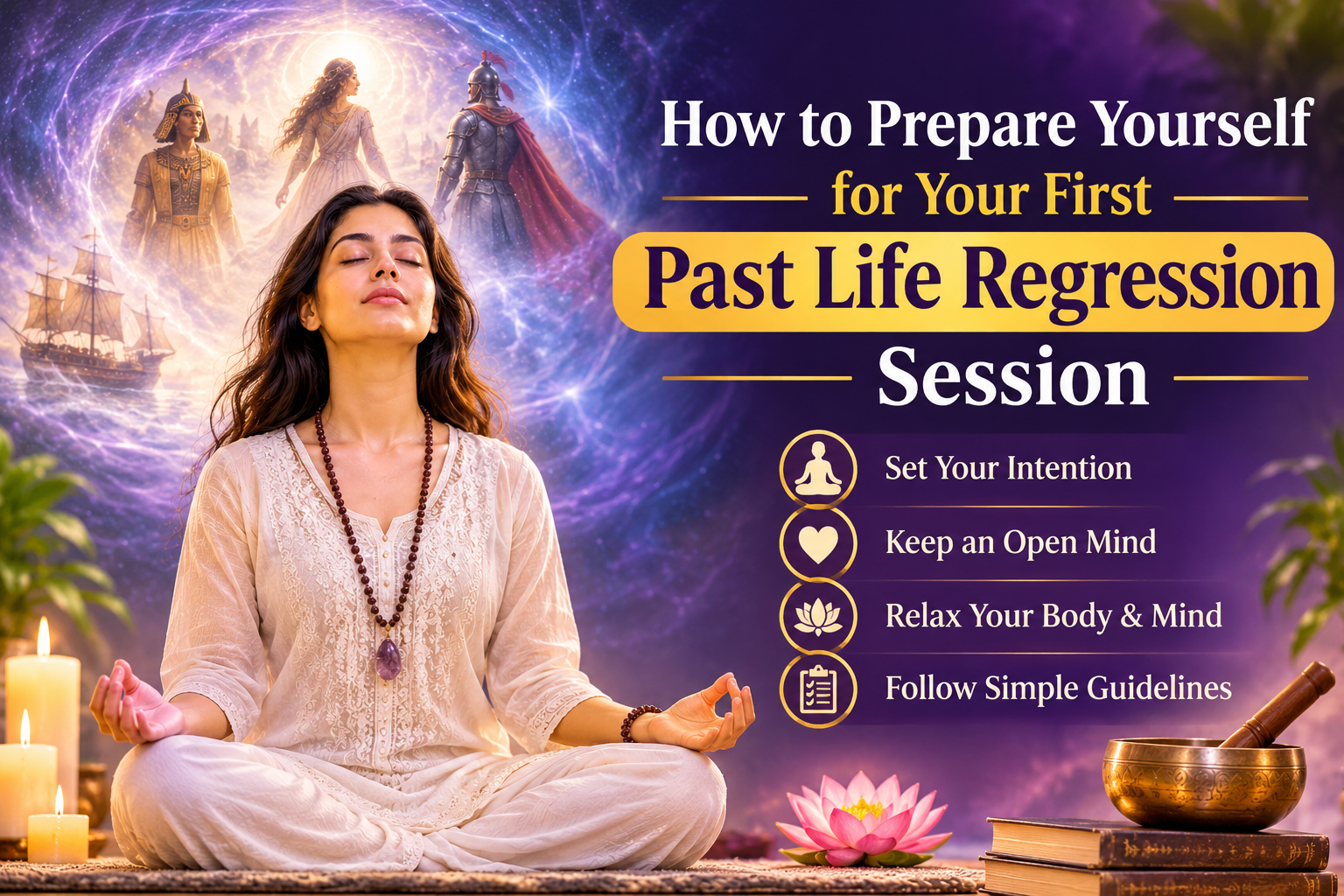
Trying something new can bring a mix of curiosity, excitement and uncertainty. This is especially true when you are preparing for your first past life regression session. You may have questions about how the process works, what you will experience and whether you need to do anything special before attending.
Past life regression is a guided practice that uses relaxation, focused attention and, in some approaches, hypnosis to help individuals explore thoughts, images, emotions and impressions that may arise during a session. Some people approach it from a spiritual perspective, while others see it as an opportunity for personal reflection and self-exploration.
If you are planning to experience Past Life Regression Therapy for the first time, preparation can help you feel more comfortable and confident. You do not need any special experience or advanced knowledge. What matters most is understanding the process, choosing a responsible practitioner and keeping realistic expectations.
This guide explains How to Prepare for Past Life Regression, what happens during a first session and how you can make the experience more comfortable and meaningful.
Understanding Past Life Regression Before Your First Session
Before booking a session, it is helpful to understand what past life regression involves. It is generally conducted through guided relaxation and focused attention. A practitioner may use calming instructions, breathing techniques and questions to encourage you to describe whatever thoughts, feelings or images come to mind.
Some individuals interpret these experiences as memories of previous lifetimes. Others understand them as symbolic experiences, imagination or material connected to their present thoughts and emotions.
There is no reliable scientific evidence confirming that experiences during regression are factual memories of previous lives. For this reason, it is important to approach the practice with an open mind without assuming that every image or feeling represents a real historical event.
Understanding this distinction can help you enter your first session with curiosity rather than pressure.
How to Prepare for Past Life Regression
Preparing yourself does not require a complicated routine. A few simple steps can help you feel relaxed and ready for the experience.
1. Understand Your Purpose
Start by asking yourself why you want to experience past life regression. Everyone has a different reason. Some people are interested in spiritual exploration, while others want to reflect on recurring emotions, personal experiences or relationship patterns.
You do not need to have a specific problem or question. Simply being curious is a valid reason to explore the process.
However, avoid entering a session expecting it to provide definite answers about your life or guarantee a particular result. Keeping your purpose clear but flexible can make the experience less stressful.
2. Choose the Right Past Life Regression Therapist
Selecting a suitable practitioner is one of the most important parts of your preparation. A responsible Past Life Regression Therapist should explain the process, discuss your expectations and make sure you understand what will happen during the session.
Before choosing a practitioner, consider their training, experience and approach. You can also ask about the techniques they use, session duration and whether an introductory consultation is available.
A trustworthy practitioner should respect your personal boundaries and never pressure you to accept a particular interpretation of your experience. Avoid anyone who guarantees specific results or claims that regression can cure every emotional or physical problem.
Feeling safe and comfortable with the practitioner is essential.
3. Prepare Your Mind with Meditation
Meditation can be a useful way to become familiar with relaxation and focused attention before your session. You do not need to meditate for long periods. Even five to ten minutes of quiet breathing each day can help you become more comfortable sitting peacefully.
Find a quiet place, sit in a comfortable position and gently focus on your breathing. When thoughts appear, notice them without trying to force them away.
The purpose is not to empty your mind completely. Instead, you are practising patience and awareness. These qualities may help you feel more comfortable during a guided relaxation session.
4. Keep an Open Mind
One of the best ways to prepare for your first session is to avoid creating fixed expectations.
Some people describe detailed images or impressions, while others experience emotions, sounds or vague thoughts. There is no single experience that everyone should expect.
You should not feel that you need to see a particular person, visit a specific place or remember an entire story. Allow the session to develop naturally and understand that your experience may be different from what you have heard from others.
5. Get Enough Rest
Try to get proper sleep the night before your appointment. Being extremely tired may make it difficult to remain comfortably focused during a guided session.
Avoid scheduling your first session when you are rushing between work commitments or dealing with unnecessary distractions. Give yourself enough time to arrive, settle down and complete the session without feeling pressured.
A relaxed schedule can make the overall experience more comfortable.
What to Expect During Past Life Regression
Many first-time participants feel nervous because they do not know what will happen. Understanding the general process can help reduce this uncertainty.
Although every practitioner may follow a slightly different approach, a typical session may include the following stages.
1. Initial Conversation
The session usually begins with a discussion about your expectations, reasons for attending and any questions you may have. The practitioner may explain the process, relaxation techniques and important limitations.
This is your opportunity to share your concerns and discuss anything that may make you uncomfortable.
2. Guided Relaxation
The practitioner may guide you through breathing exercises or relaxation instructions. You may be asked to sit or lie down comfortably and focus your attention on the practitioner’s voice.
The aim is to help you become relaxed and focused. You remain able to communicate and should feel free to ask for a pause whenever needed.
3. Guided Exploration
During this stage, the practitioner may ask gentle questions and encourage you to describe any images, thoughts, feelings or impressions that arise.
Some individuals report vivid experiences, while others notice only small details or emotional responses. There is no requirement to experience anything dramatic.
4. Reflection and Discussion
After the guided exploration, the practitioner may discuss your experience with you. You can share what you noticed, ask questions and reflect on any personal meaning you associate with it.
Remember that an experience during regression should not automatically be treated as a verified memory or factual account of a previous lifetime.
What Should You Bring to Your First Past Life Regression Session?
You generally do not need to carry any special equipment or materials. However, a few simple things can help you feel prepared.
- Wear comfortable clothing that allows you to relax.
- Carry a bottle of water.
- Keep your appointment details and any questions ready.
- Bring a small notebook if you want to write down your reflections afterward.
- Arrive a little early so you do not feel rushed.
If the practitioner has shared specific instructions before the appointment, follow those guidelines and ask for clarification whenever necessary.
Common Mistakes to Avoid Before Your First Session
A first-time experience can feel more comfortable when you avoid putting unnecessary pressure on yourself.
Expecting a specific result: Do not assume that you must experience a particular scene or receive a definite answer.
Comparing your experience with others: Every person’s experience is different. Someone else’s story does not determine what your session should be like.
Choosing a practitioner without research: Take time to understand the practitioner’s training, experience and approach instead of making a decision based only on advertisements.
Trying too hard to remember something: Do not force images or create a story in your mind. Simply describe what you notice.
Ignoring your comfort: You should always feel free to ask questions, pause or stop a session if you feel uncomfortable.
How to Make Your First Past Life Regression Session More Meaningful
A meaningful experience does not necessarily mean seeing detailed scenes or receiving surprising information. Sometimes, the value of a session comes from the opportunity to slow down and reflect on your thoughts and emotions.
After your session, give yourself some quiet time. Avoid immediately rushing into a busy schedule if you can help it.
You may find it useful to write down your experience, including the emotions, images or thoughts you remember. This can help you reflect on the session later without feeling pressured to interpret everything immediately.
You can also continue simple meditation or journaling practices if they feel helpful. These activities encourage self-awareness and give you an opportunity to reflect on your experiences in your own time.
If a session brings up strong or distressing emotions, consider discussing them with a qualified mental health professional. Past life regression is not an established treatment for mental health conditions and should not replace appropriate professional care.
Who Should Consider Past Life Regression Therapy?
People may explore Past Life Regression Therapy for different personal or spiritual reasons. Some are curious about the concept of previous lifetimes, while others want a guided setting for self-reflection.
It is important to remember that regression is not suitable for everyone. Individuals dealing with significant psychological distress, trauma-related symptoms or serious mental health concerns should speak with a qualified healthcare professional before considering this type of experience.
A responsible practitioner should discuss your concerns and respect your decision if you choose not to continue.
Frequently Asked Questions
1. How should I prepare for my first past life regression session?
Start by understanding the process, choosing a responsible practitioner and getting enough rest. Practising simple meditation and keeping an open mind can also help you feel more comfortable.
2. Do I need meditation experience before past life regression?
No. Previous meditation experience is not generally required. A practitioner may guide you through relaxation exercises during the session.
3. What to Expect During Past Life Regression?
You may experience guided relaxation followed by questions that encourage you to describe thoughts, images or emotions. Experiences vary from person to person, and there is no guaranteed outcome.
4. Can everyone experience past life regression?
People respond differently to guided relaxation and imagery. Some may describe vivid experiences, while others may not experience much at all. There is no need to force an experience.
5. How long does a first past life regression session take?
The duration depends on the practitioner’s approach and session format. Ask about the expected duration before booking your appointment.
6. Is Past Life Regression Therapy scientifically proven?
Past life regression is not scientifically established as a method of retrieving factual memories of previous lifetimes. It is best approached as a spiritual or reflective practice rather than a proven medical treatment.
Conclusion
Preparing for your first past life regression session is mainly about understanding the process, choosing the right practitioner and giving yourself enough time to feel comfortable. You do not need special skills, advanced meditation experience or fixed expectations to begin.
By learning How to Prepare for Past Life Regression, you can approach the experience with greater confidence and a realistic understanding of what it involves.
Whether you are exploring the practice out of spiritual curiosity or personal interest, remember that your comfort and well-being should always come first. Choose guidance that respects your boundaries, remain open to reflection and allow yourself to explore the experience at your own pace.